I visited a factory that manufactures a variety of furniture from cabinets to desks, using both wood and steel. This factory interestingly had a high level of automation and had widespread use of CNC’s (Computer Numerically Controlled Machines) which minimised the number of steps required to manufacture the final product. Here’s a look at the process:
Step 1: The Raw Material:
There are two main raw materials used in the process:
1) Engineered Wood.
Engineered wood refers to wood constructed using wood fibres or veneers and gluing them together with an adhesive, under high temperature and pressure. This is preferred to solid wood for multiple reasons including:
a) It can be made denser and therefore stronger.
b) It can be designed in such a way so that it’s properties are uniform throughout, as the deficiencies in wood (such as knots and cracks) are removed.
c) Engineered Wood is versatile and is manufactured in multiple grades, sizes and thickness.
d) It is also environmentally friendly, as it can be produced from relatively small trees and even waste scraps of wood. In addition, less wood needs to be used, as it is stronger than solid wood.
e) Engineered wood products are sometimes cheaper than solid wood products, as less wood needs to be used to provide the required strength.
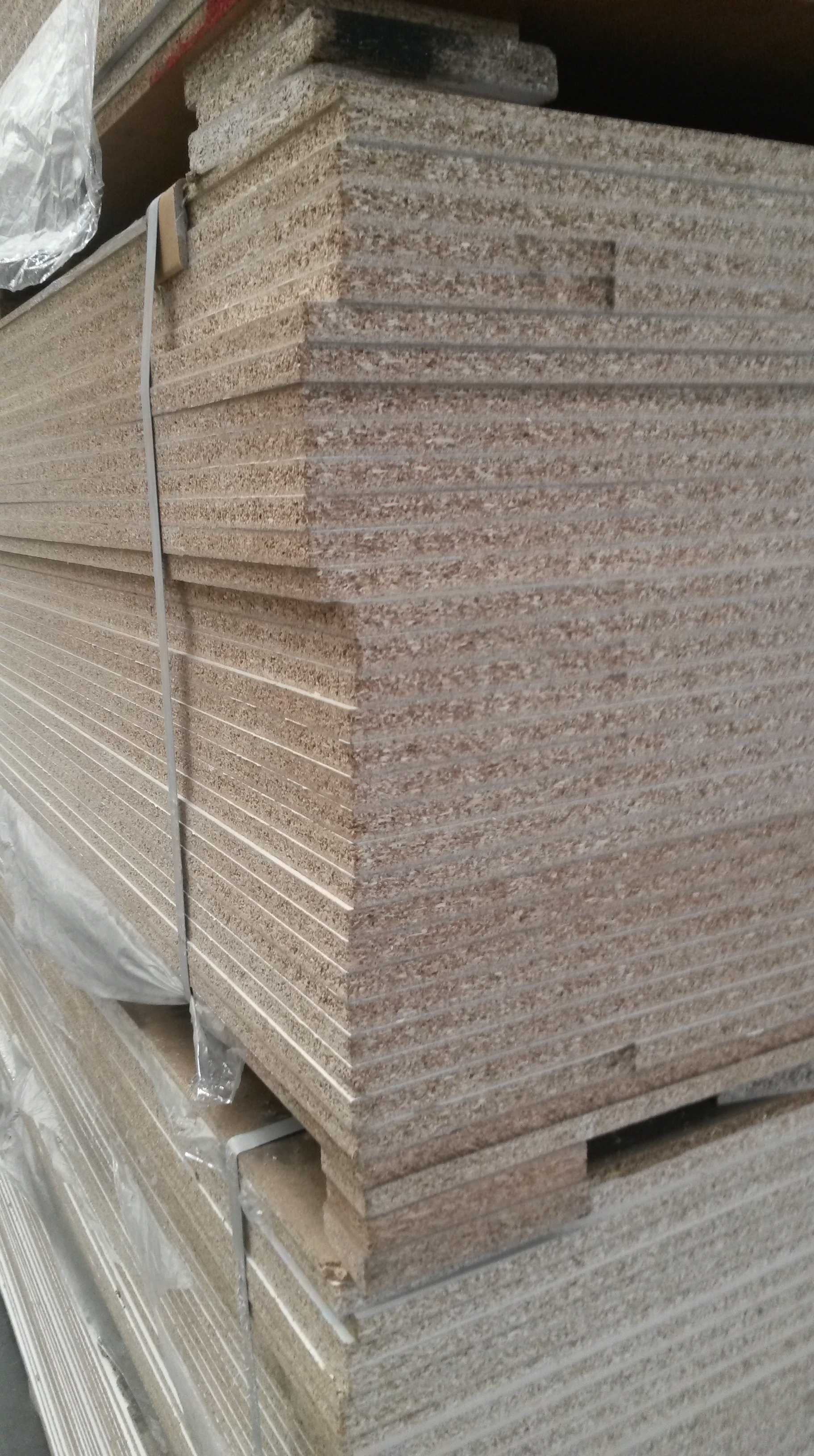
There were two types of engineered wood used in the factory I visited- Laminated Medium Density Fibreboard (density of about 750-800 kg/ m3) and Laminated Particle Board (density of about 650- 700 kg/ m3). The image below shows the engineered wood, with the fibres easily visible:
2) Steel
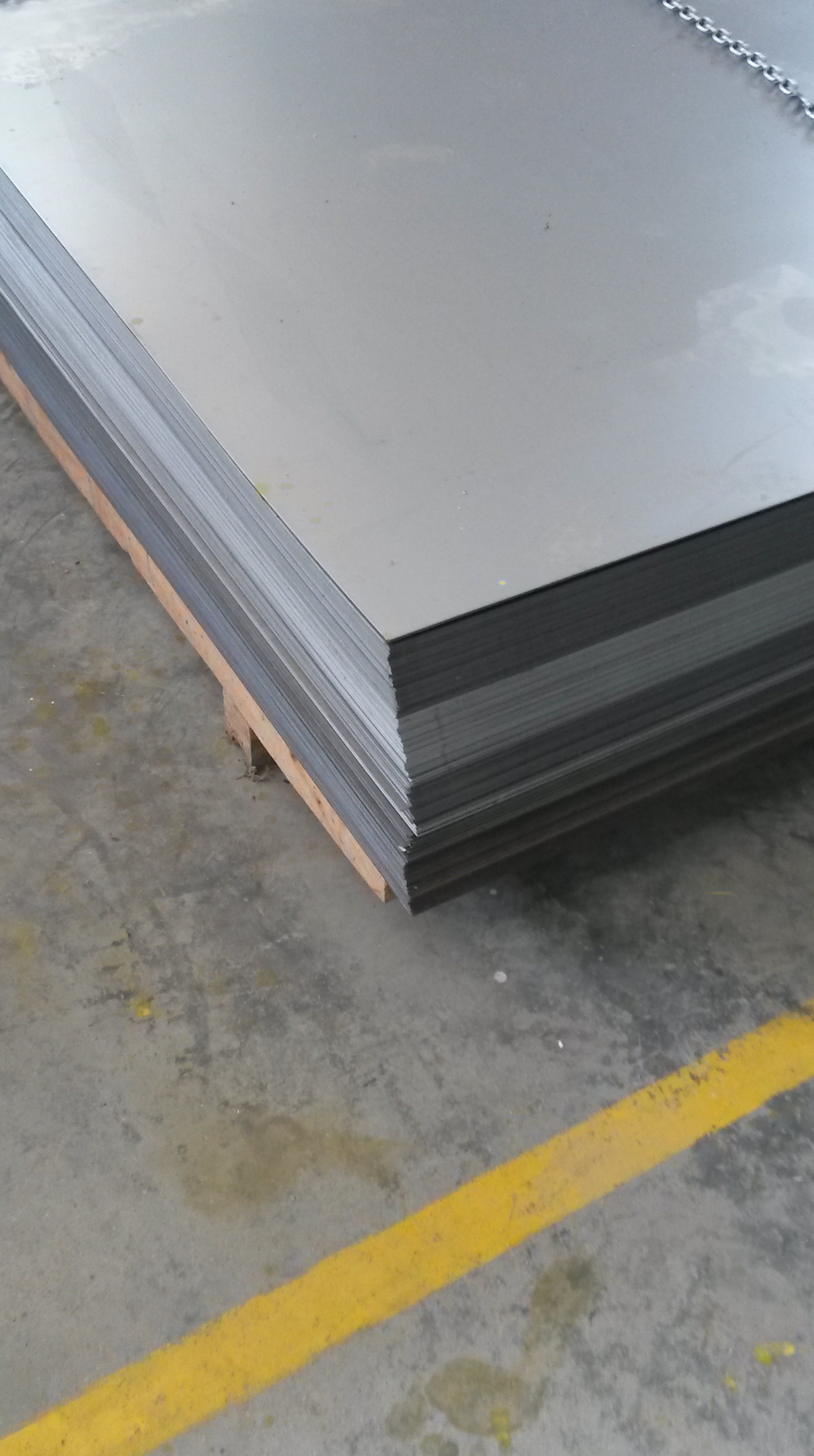
Steel is used in many of the products to form the frame in which the wood is held.
Step 2: Using CNC machines to cut and drill:
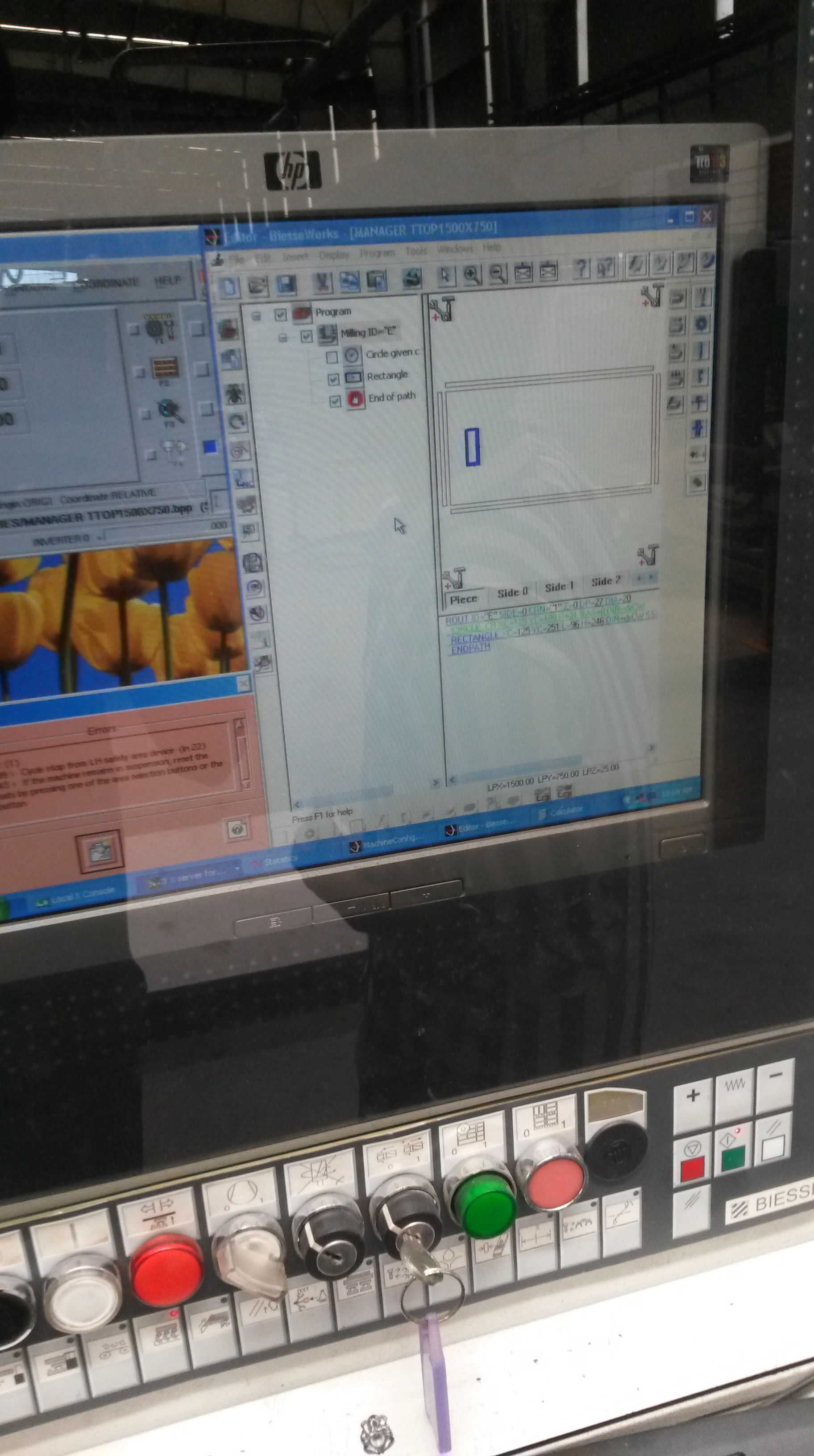
The machine comes with preloaded software on which you insert the drawing of the final shape of the wood/ steel you want. The software then instructs the various tools in the machine to perform the task. It does this with a program that instructs the specific tool required to proceed to certain x, y, z coordinates for a specific period of time. CNC’s offer tremendous flexibility for manufacturing- it allows you to cut any shape required and drill exactly where you want helping make a variety of products.
The image below shows the software being used:
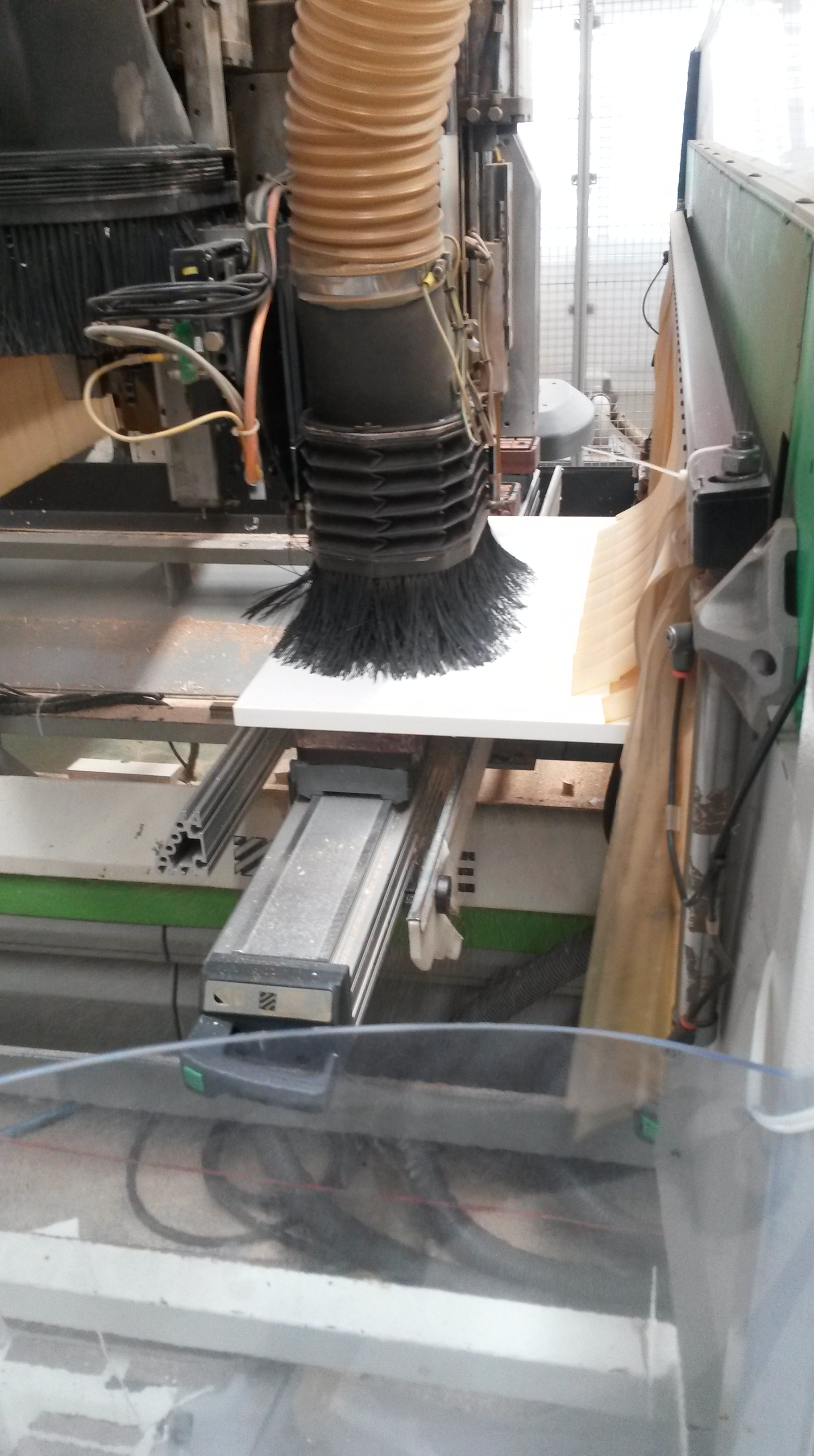
Once it has been instructed the machine cuts where required:
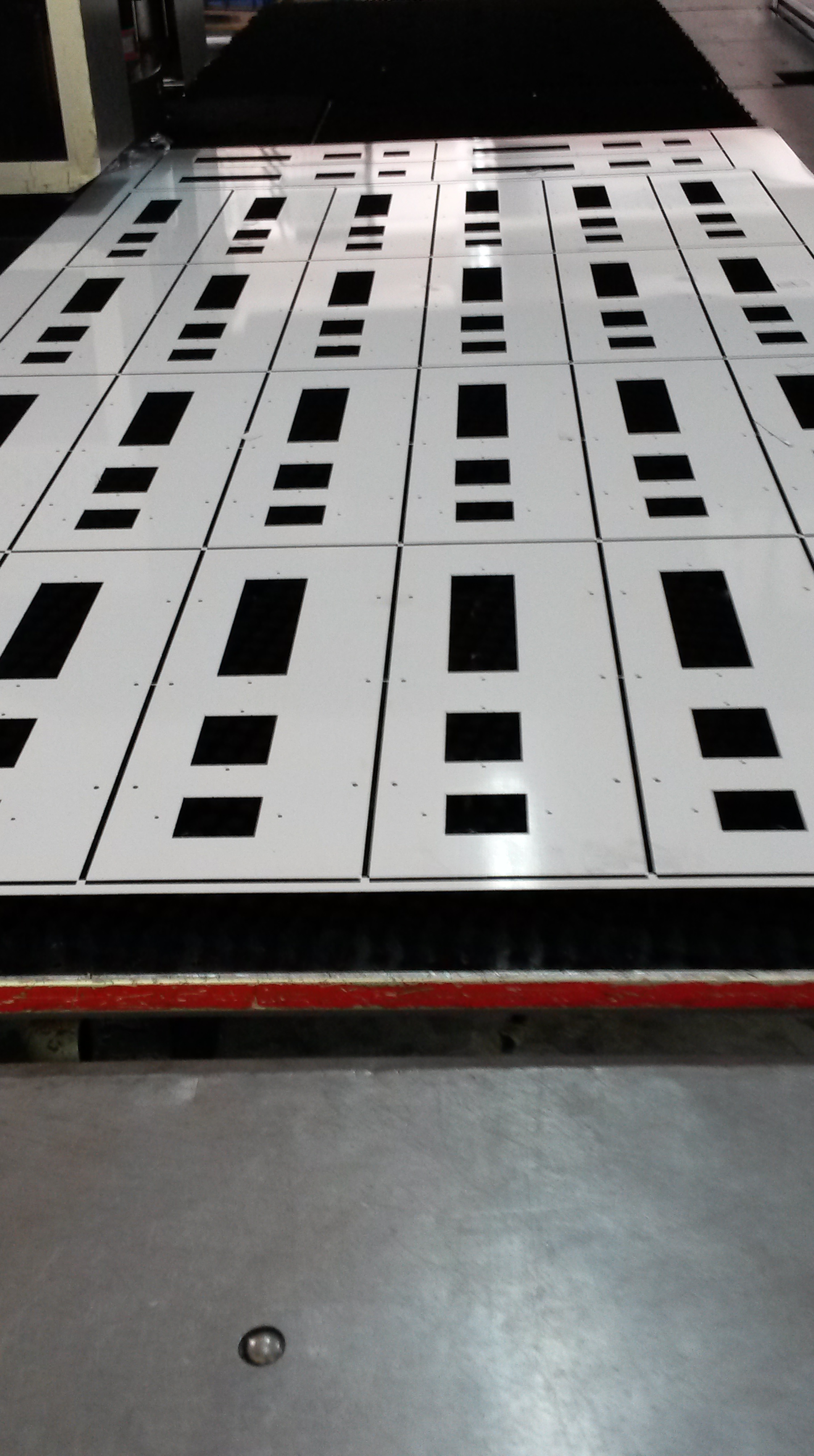
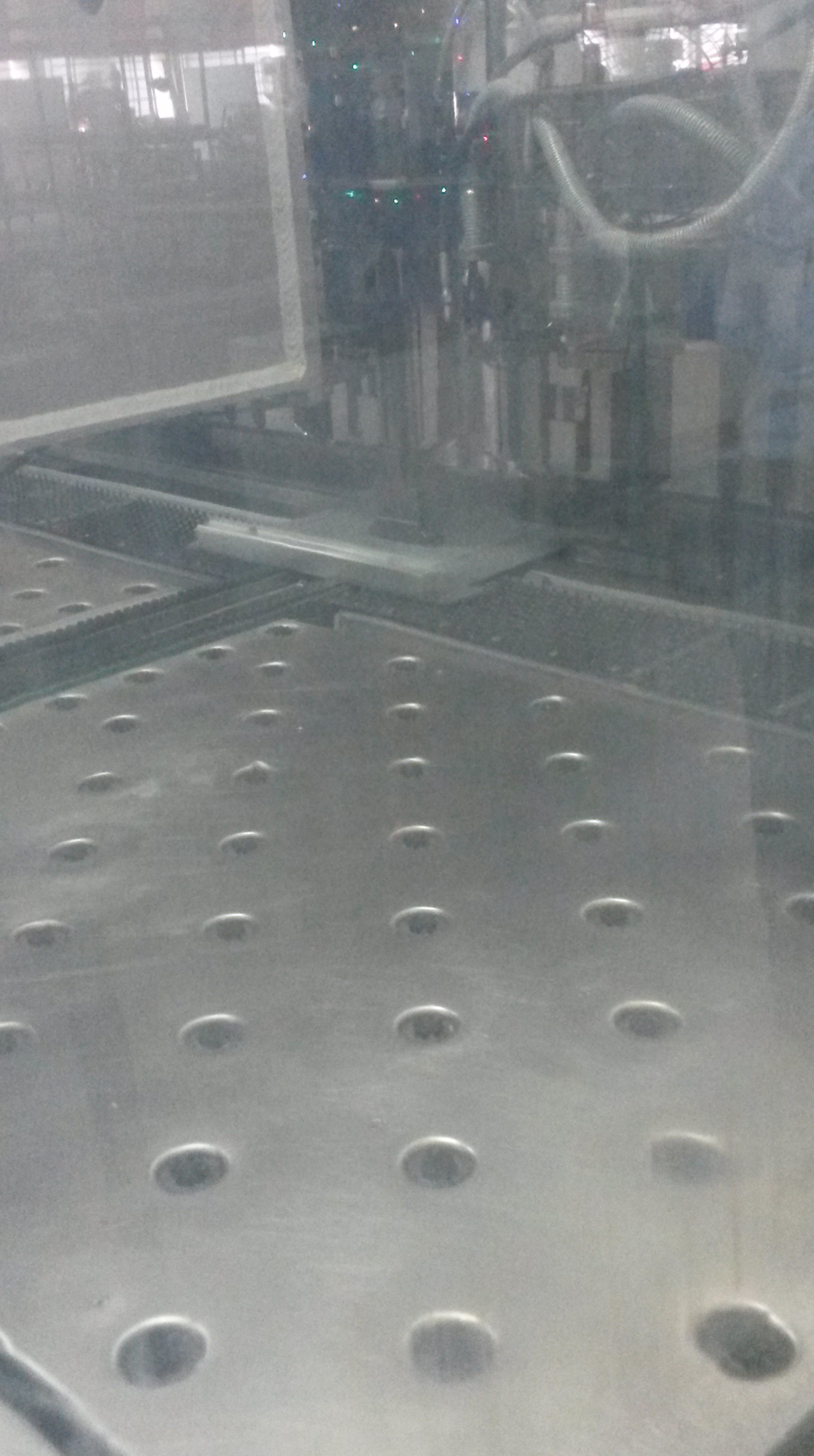
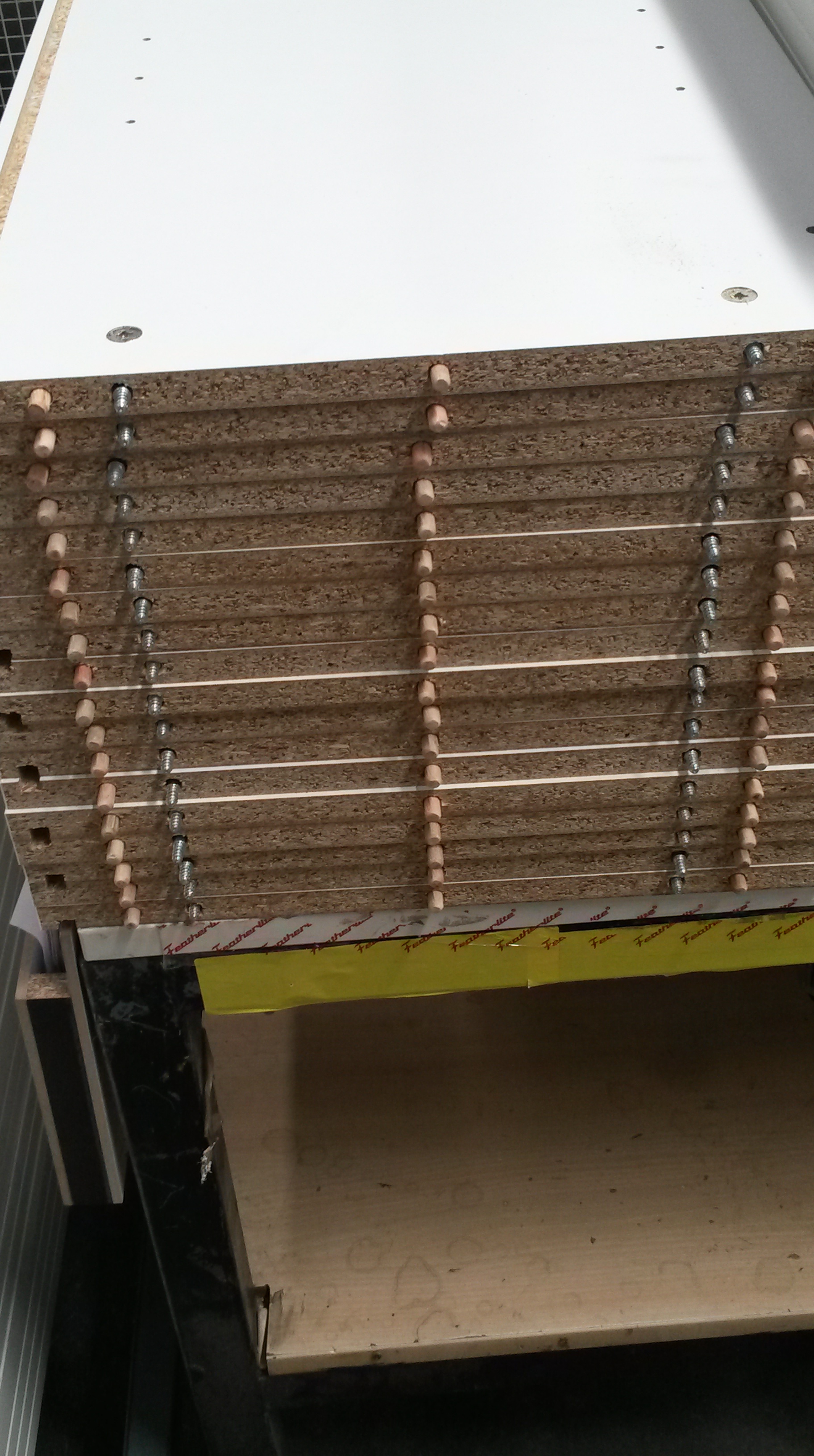
The machine is also capable of drilling, to produce identical pieces of wood shown below:
Step 3: Edge-Banding:
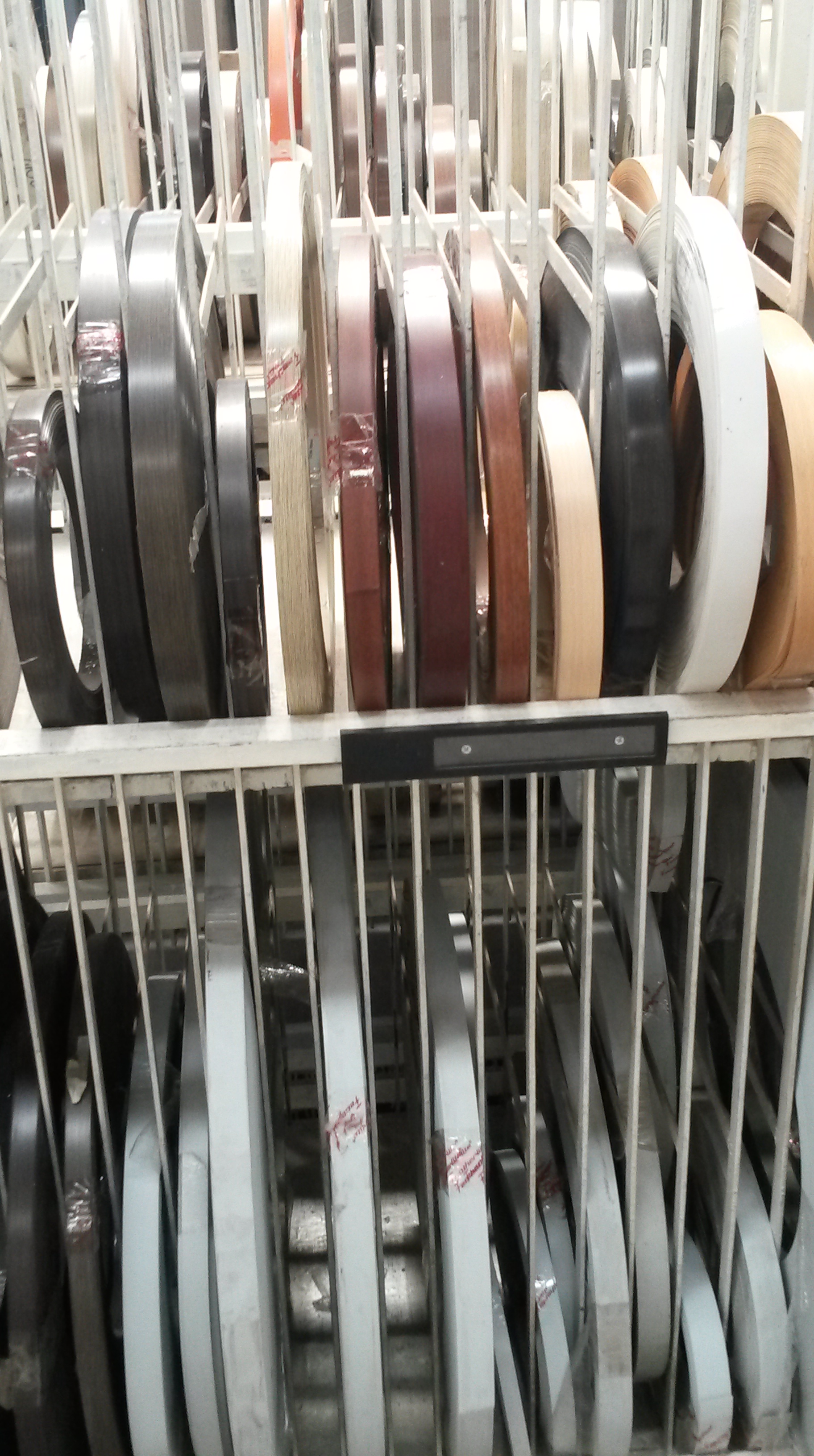
The wood has the top and bottom laminated but not the sides. Thus, the side of the wood that is going to be exposed to the customer needs to be coated. The edge- banding material comes in large varieties as the image below shows:
The bands are then inserted into a machine alongside the wood. It then glues the bands onto the wood by continuously coating the side of the wood with a glue, as shown below. There is also a sensor in the machine that cuts the band as soon as the slab of wood has passed.
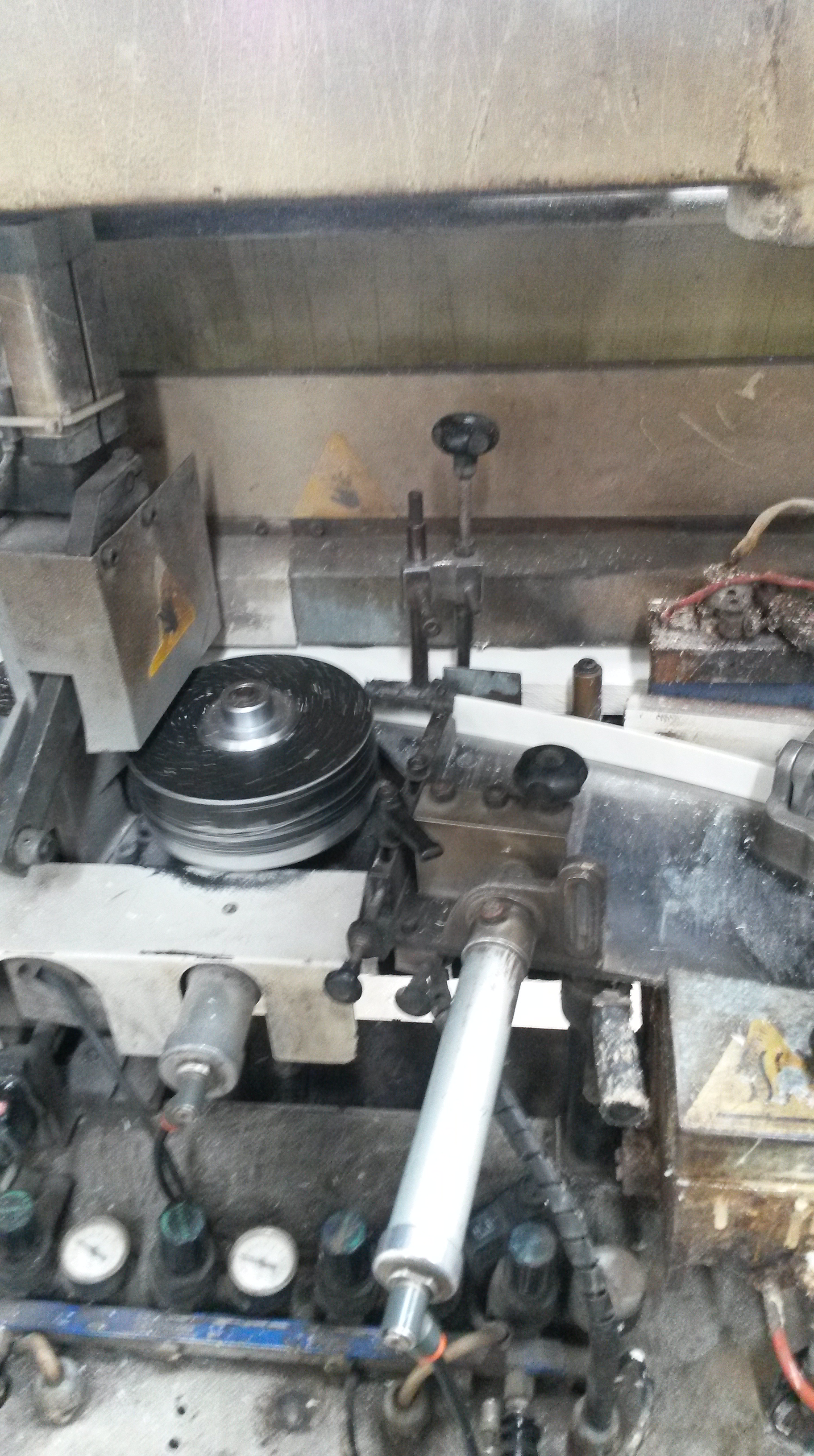
Step 4: Coating:
Often, the wood used for the panel in front of desks needs to be coated in cloth or needs to be made magnetic to that papers can be attached to it. This is done by spraying an adhesive on the wood and then applying either the cloth/ magnetic material, as shown below:
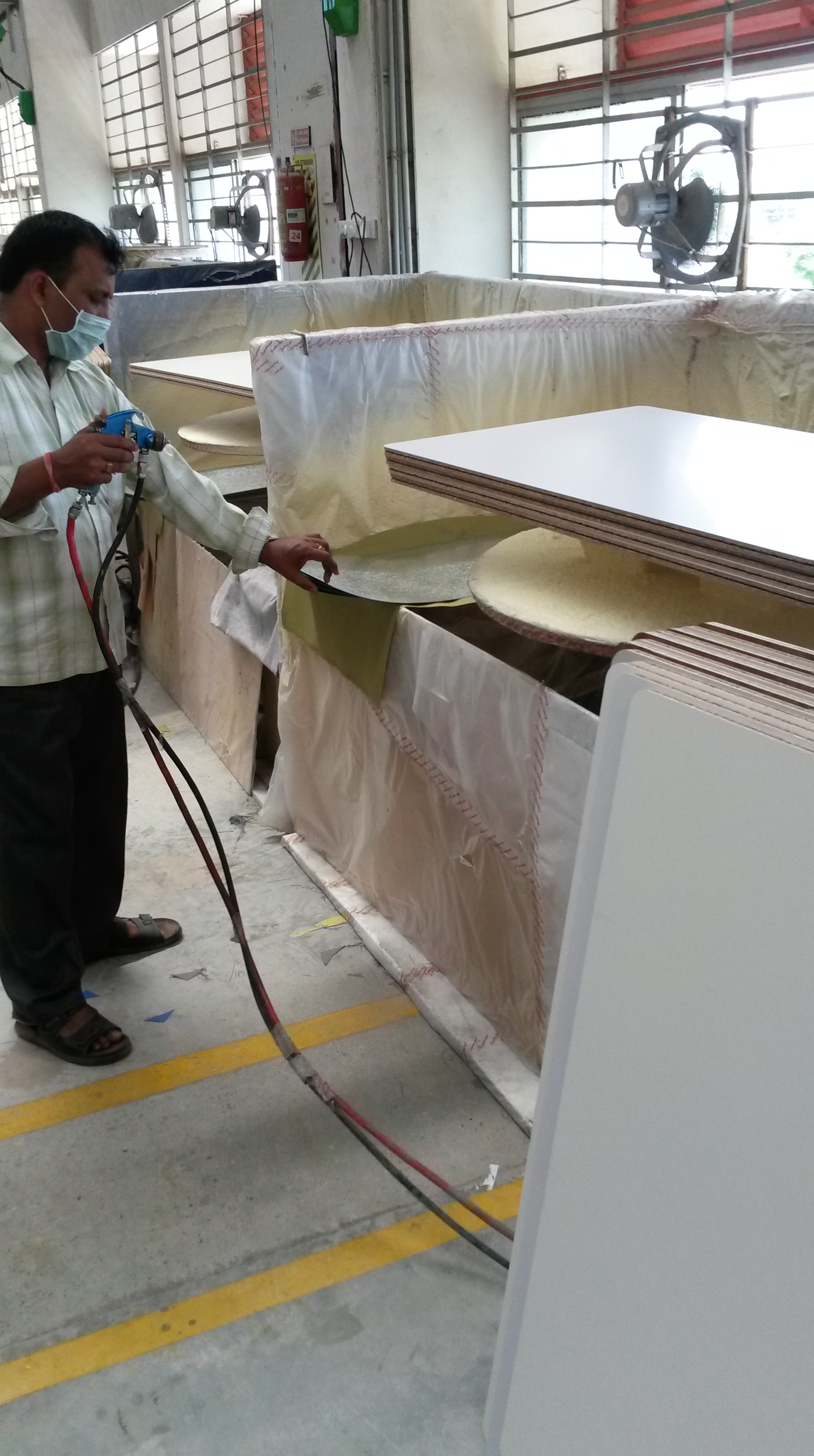

Step 5: Assembly:
The various parts that have been cut into shape, drilled, edge banded or coated are then assembled manually to create the final product. The assembly of a cabinet is shown below.
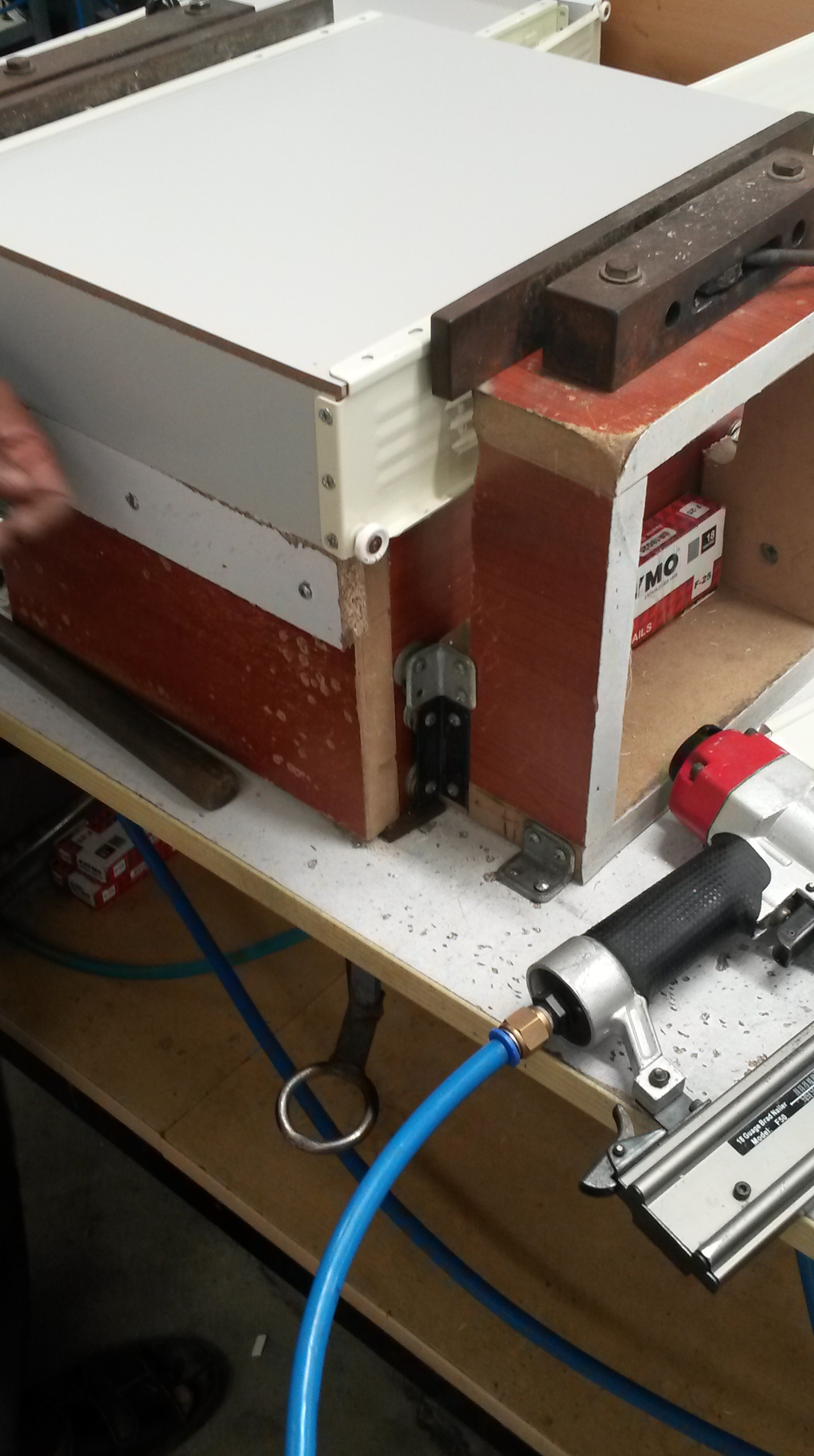
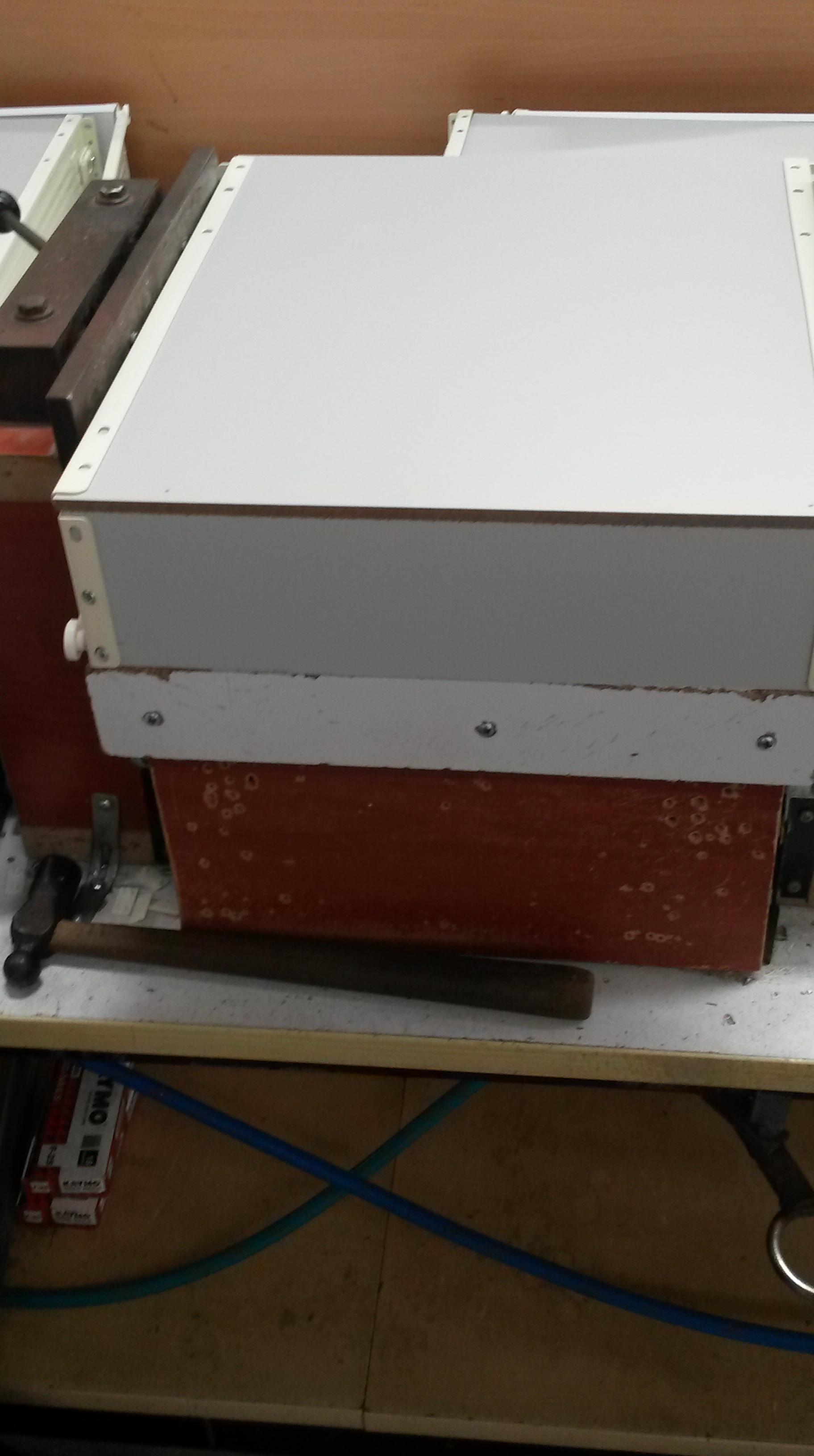
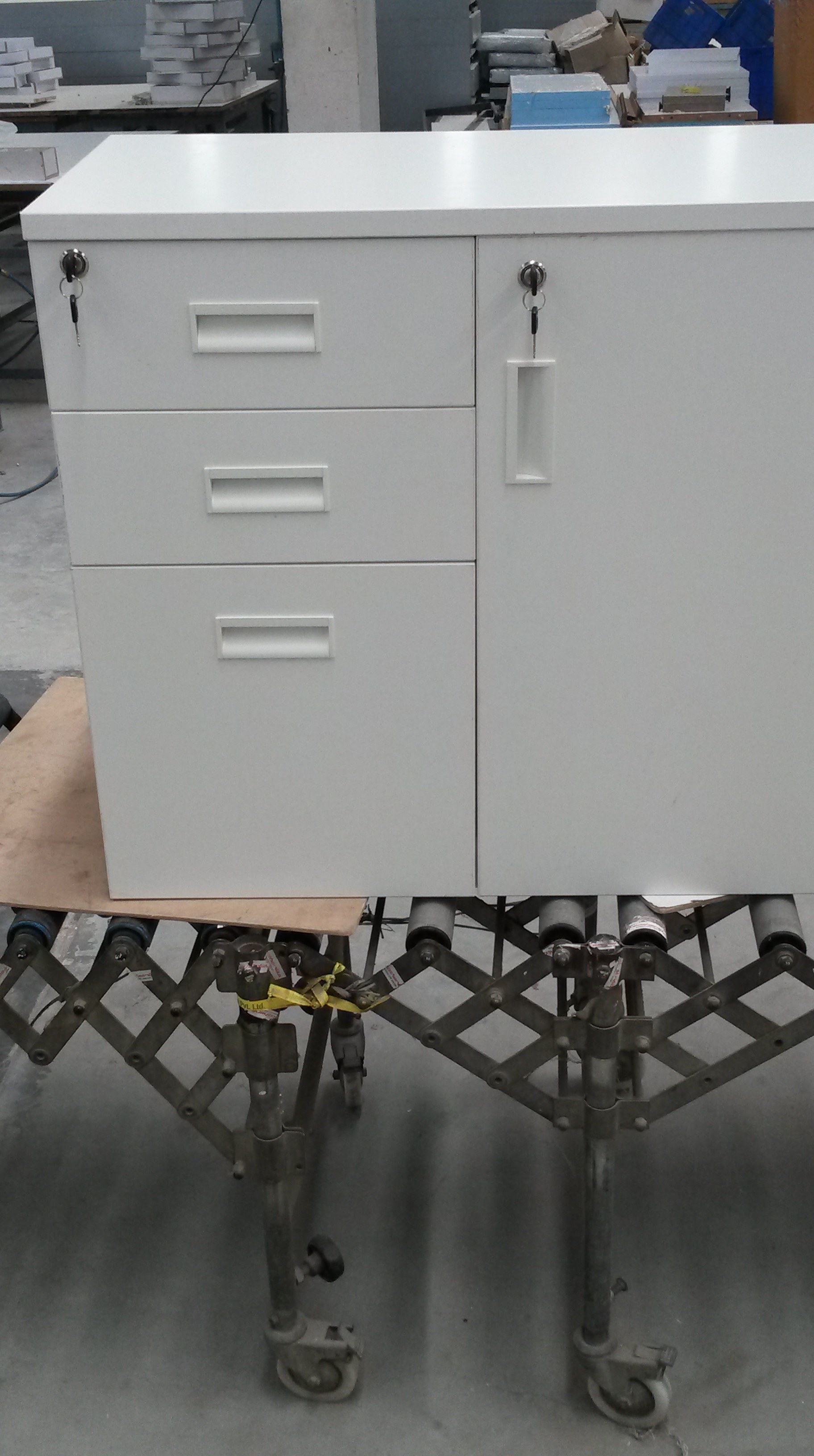
The locks and sliding mechanisms for drawers are procured from other companies and then inserted where required.
More complex furniture can be assembled too, as shown below:
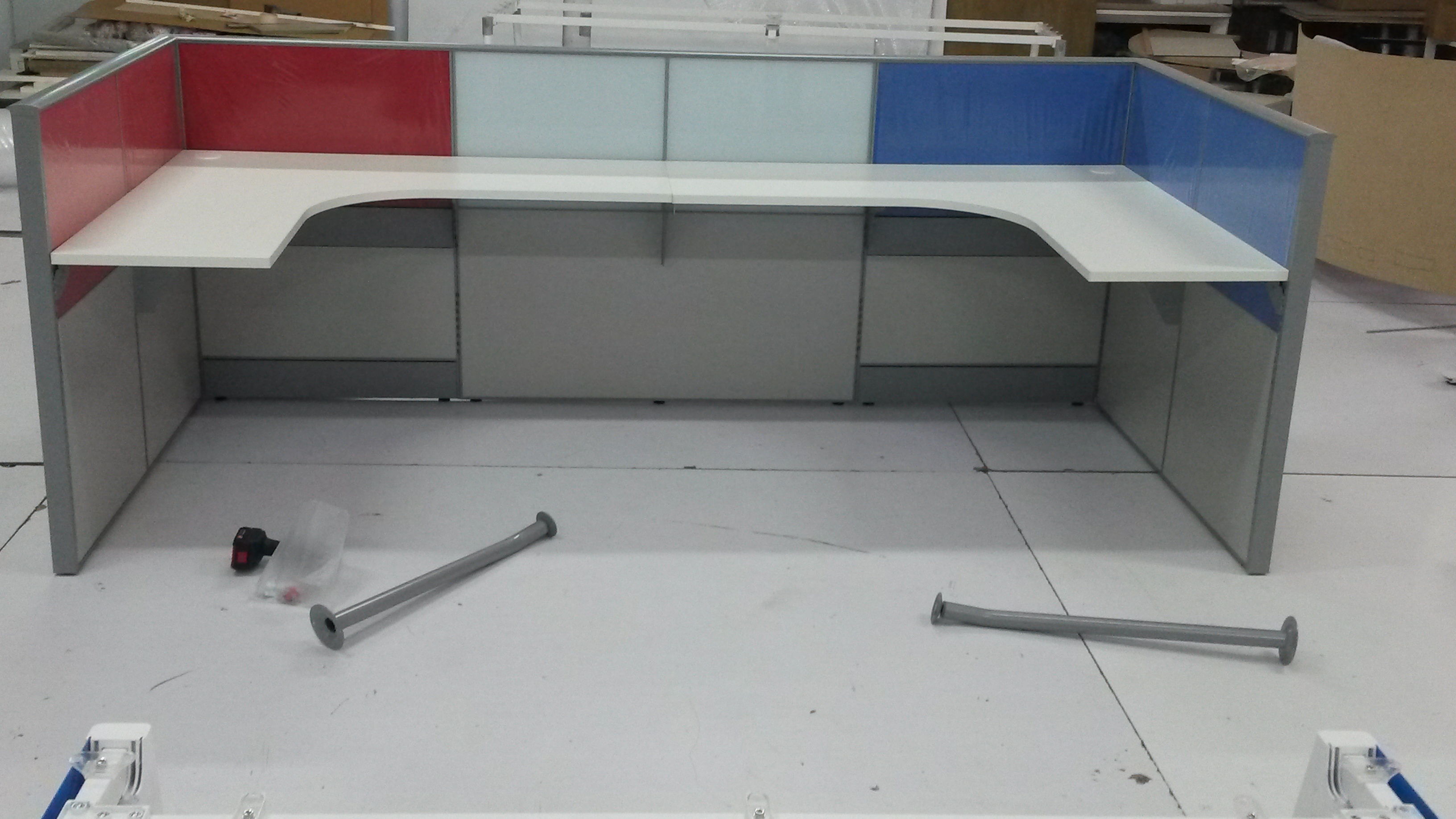
It is the versatility of the CNC’s allow an extremely large number of shapes to be cut and assembles together in any way required, whether it is to produce a cabinet or desk.
 Divyanshu Pachisia